.svg)

January 12, 2026
Dr Houssam Abusibah
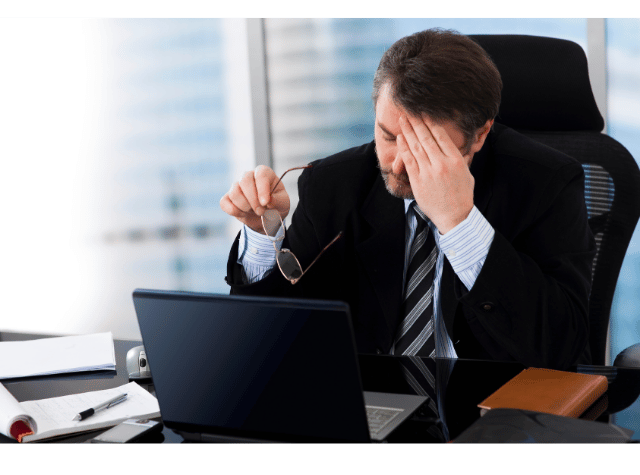
Feeling drained, unfocused, or just “not yourself” lately? It might not be stress or age — it could be low testosterone (Often referred to as “T”). 1 in 4 men over 30 have symptoms and don’t realise it.
A recent UK survey found that almost half of men reported symptoms consistent with testosterone deficiency, yet fewer than 5% had a formal diagnosis. That gap shows just how easy it is to miss the signs — and why awareness matters.
.png)
In the UK, testosterone deficiency is diagnosed when symptoms line up with consistently low morning testosterone levels confirmed on repeat testing. The problem? Most men don’t connect the dots until years later.
Constant tiredness, even after a full night’s rest, is one of the most common complaints. Testosterone plays a key role in energy metabolism, so low levels often leave men feeling chronically drained.
Testosterone influences dopamine — the brain’s reward system. When levels drop, men often notice a dip in ambition, productivity, and general zest for life.
Low libido is the most consistent symptom of testosterone deficiency. A decline in spontaneous morning erections is a specific marker of androgen deficiency highlighted in UK and European studies.
Difficulty concentrating, memory lapses, or feeling mentally “sluggish” can be linked to hormonal imbalance. These cognitive symptoms often overlap with stress or depression, but low T is a recognised contributor.
Testosterone influences serotonin and mood regulation. Men with low T frequently report irritability, anxiety, or feeling downhearted.
Struggling to build or maintain muscle despite regular training? Testosterone is essential for protein synthesis and recovery. Deficiency leads to reduced lean mass and slower progress in the gym.
Low testosterone shifts body composition, often leading to stubborn belly fat and reduced physical performance. It’s also linked to metabolic syndrome and type 2 diabetes risk.
Insomnia, fragmented sleep, or even sleep apnoea can be associated with low testosterone. Poor sleep then worsens hormone balance, creating a vicious cycle.
Reduced androgenic stimulation can cause thinning of scalp, body, or facial hair. This is a visible sign that often accompanies other symptoms.
If soreness lingers longer than usual or recovery feels incomplete, testosterone deficiency could be impairing your body’s repair mechanisms.
These symptoms are nonspecific — stress, poor sleep, or other health conditions can cause similar issues. But when several occur together, especially sexual symptoms, UK guidance recommends testing. Low testosterone isn’t just about libido or energy; it’s linked to heart health, bone strength, metabolism, and long-term wellbeing.
👉 Think this could be you? Get your free online testosterone doctor callback today — no payment required.

